
The Role of Emotion in Gambling
Emotion is a significant factor influencing the behavior of players in casinos. Many individuals enter casinos seeking excitement, which can lead to impulsive decisions and risk-taking behavior. Incorporating strategies from the best bitcoin casino can enhance their experience. The thrill of winning can trigger a euphoric response in the brain, releasing dopamine and encouraging further play. This psychological reward system fuels the desire to continue gambling, often despite the odds being against the player.
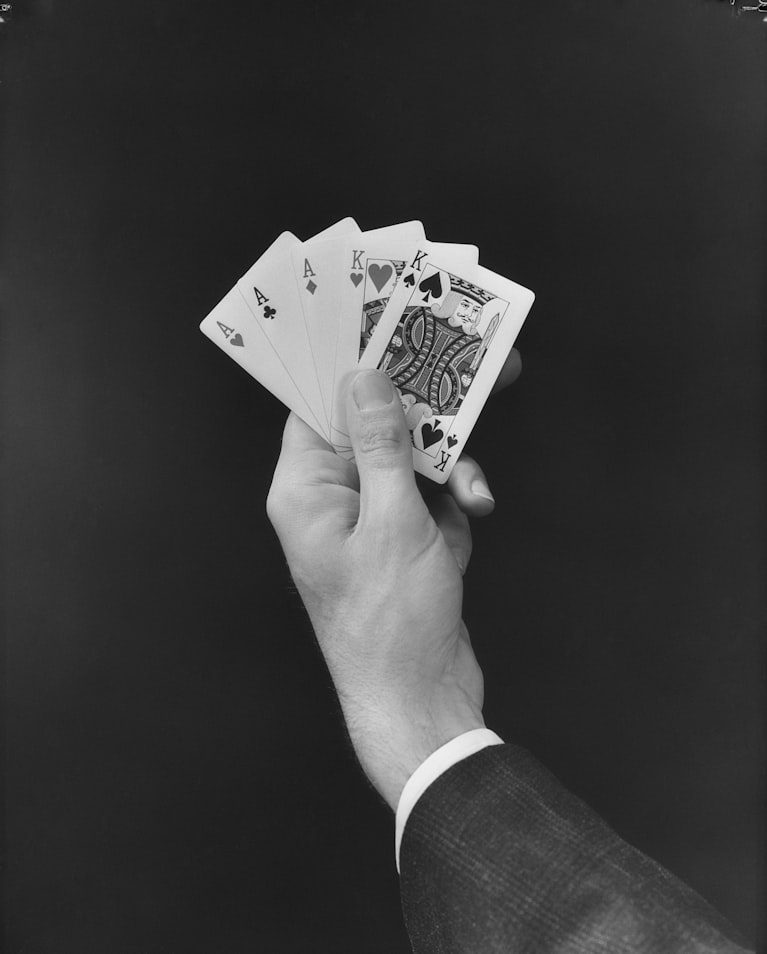
Additionally, emotions such as fear and anxiety play a pivotal role in shaping gambling strategies. Players may feel pressure to recover losses or achieve a specific win, causing them to adopt riskier strategies. Understanding these emotional influences is crucial for developing successful gambling tactics, as creating a balanced emotional state can enhance decision-making and ultimately impact outcomes.
The Importance of Mindset in Strategy Development
A winning mindset is essential for players looking to develop effective casino strategies. Players who approach gambling with a positive and focused attitude are more likely to make calculated decisions rather than succumb to emotional impulses. Studies have shown that a rational and resilient mindset can help players manage their bankroll effectively and stick to their strategies, avoiding the pitfalls of chasing losses or overextending themselves.
Furthermore, cultivating self-discipline is vital. Setting clear goals and limits can help players maintain their focus and resist the urge to deviate from their chosen strategies. This disciplined approach enables individuals to evaluate their performance objectively and adjust their methods as necessary, aligning their mental state with their strategic objectives.
Behavioral Biases and Their Impact on Gambling Strategies
Gambling is often clouded by various behavioral biases that can distort decision-making. One common bias is the gambler’s fallacy, where players believe that past outcomes will influence future results, leading them to make irrational bets. Recognizing and overcoming such biases is crucial for players seeking to implement effective strategies. Awareness of these cognitive traps can help in maintaining a more objective viewpoint while gambling.
Another significant bias is the overconfidence effect, where players overestimate their abilities or the effectiveness of their strategies. This can lead to poor decision-making and insufficient risk assessment. By understanding these biases, players can better evaluate their strategies and make more informed choices, enhancing their chances for success in the casino environment.
The Social Aspect of Gambling Strategies
Social interaction within casino settings can greatly influence gambling behavior and strategies. Engaging with other players can create a sense of community, often leading to shared strategies and communal learning. In many cases, players exchange tips or insights about specific games, which can enhance individual performance and strategy development.
However, the social environment can also produce pressure to conform to certain behaviors or betting patterns. This social dynamic can drive some players to adopt strategies that may not align with their personal risk tolerance or goals. Being aware of these social influences allows players to maintain their individuality in strategy development and improve their chances of success.

Enhancing Language Skills through Casino Strategies
Understanding the psychology behind successful casino strategies also opens avenues for enhancing language skills. As players engage with others in a casino environment, they often need to communicate effectively to share strategies and learn from one another. This interaction can be beneficial for developing social language skills and improving verbal communication.
Moreover, discussing strategies and outcomes can lead to a deeper understanding of the language surrounding gambling. By navigating the terminology and concepts inherent to casino games, individuals can enrich their vocabulary and language proficiency, making the experience not just about gambling but also about personal growth in communication.